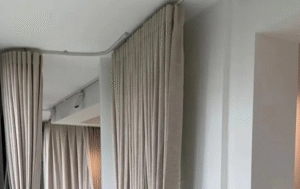
The hotel fit-out is running like clockwork. Walls are up, electricians are finishing, and the painters are starting the final coat. Your curtain track installers arrive on schedule, ready for a quick and easy job. Then comes the call. They’ve drilled into the wall above the window, and all they found was hollow plasterboard. The heavy-duty tracks and blackout curtains have nothing secure to anchor to. Suddenly, the entire project is on hold, facing expensive, messy rework to open up finished walls and install the necessary support.
Effective coordination with fit-out teams isn’t about just-in-time delivery or scheduling installers for the final week. The single most critical point of coordination happens months earlier, during the structural framing stage. It involves proactively ensuring that hidden structural blocking—the wood or metal reinforcements inside the wall—is correctly installed. Shifting the conversation from logistics to structural education is the only way to guarantee a smooth, secure installation and avoid disastrous, last-minute failures.

I’ll never forget a visit to a new-build apartment complex. The developer was proud of how fast the project was moving. When I asked the site foreman about blocking for the curtain tracks, he looked at me blankly. He assumed we would just use standard plasterboard anchors. I had to explain that a 15-foot wide, heavy acoustic curtain puts hundreds of pounds of pull-out force on the brackets, especially when it’s yanked open. A simple anchor would rip out in a week. We had to halt part of the fit-out to get the carpenters back in. That conversation taught me that our job as a supplier isn’t just to provide a product, but to provide the knowledge that ensures it works perfectly.
What Pre-Installation Measurements Prevent Delays on Site?
Your installation team arrives at the hotel project, ready to work. They have the floor plans and perfectly manufactured tracks. But when they start drilling, they find the hidden blocking is two inches higher than shown on the drawings. Every bracket hole needs to be re-drilled. What should have been a 20-minute installation per room is now taking over an hour as they hunt for a secure fixing point, wasting time and costing you money.
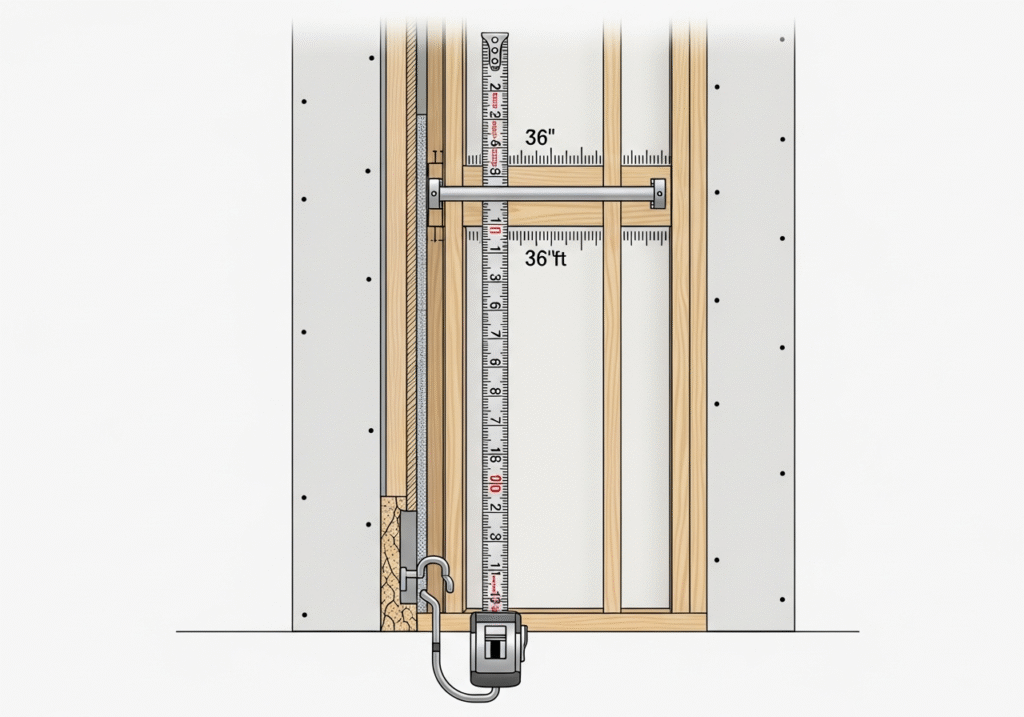
The most critical pre-installation measurement has nothing to do with the curtain track itself; it’s about verifying the exact location and height of the concealed structural blocking. While confirming final window dimensions is important for track length, ensuring the wooden or metal supports are where the plans say they are is what truly prevents delays. This one check turns a guessing game into a precise, repeatable, and fast installation process.
Measure 1: The Blocking Check
This is the check that saves projects. Before the walls are closed, plastered, and painted, someone must go on-site and physically verify the blocking. Architectural plans are a guide, but things can shift during construction. A quick check against the framing ensures that when the installers arrive weeks later, they can drill with confidence, knowing a solid anchor point is exactly where it needs to be. Forgetting this step is the number one cause of rework and disputes between installers and general contractors. An installer’s job is to install, not to perform exploratory surgery on a finished wall.
Measure 2: The Final Dimensions
Once the walls are finished, a final measurement of the window openings or wall-to-wall distances is still necessary. This confirms the track lengths before they are mass-produced and shipped. Even a quarter-inch discrepancy can cause problems on site. This "measure once, cut 500 times" approach is far more efficient than delivering bulk stock lengths and relying on installers to cut them accurately in hundreds of different rooms, which creates noise, mess, and material waste.
Measure 3: Surface Flatness
A wall or ceiling that looks flat to the naked eye can have bows or waves that will cause a rigid aluminum track to warp when installed. This can impede the glider movement and make the curtain difficult to operate. A quick check with a long straightedge will identify any significant imperfections. If found, the installer knows to use shims or packers behind the brackets to ensure the track remains perfectly straight.
Pre-Installation Measurement Checklist
| Measurement Task | Purpose | Ideal Timing |
|---|---|---|
| Blocking Verification | Confirm location/height of hidden supports. | After framing is complete, before walls are closed. |
| Final Track Lengths | Confirm exact length for pre-cutting. | After walls are plastered and finished. |
| Surface Flatness | Check for bows or dips in wall/ceiling. | Immediately before installation begins. |
| Bracket Positions | Mark exact drilling points based on blocking. | Immediately before installation begins. |
How Do Fit-Out Schedules Affect Curtain Track Delivery Planning?
You timed your curtain track shipment perfectly to align with the fit-out schedule’s "final fix" phase. The boxes arrive on site as planned. The problem is, so did the tilers, the painters doing touch-ups, and the flooring installers. Your pristine, powder-coated tracks are propped against a dusty wall in a chaotic hallway, where they get scratched by tool belts and splattered with paint before they are even unboxed.
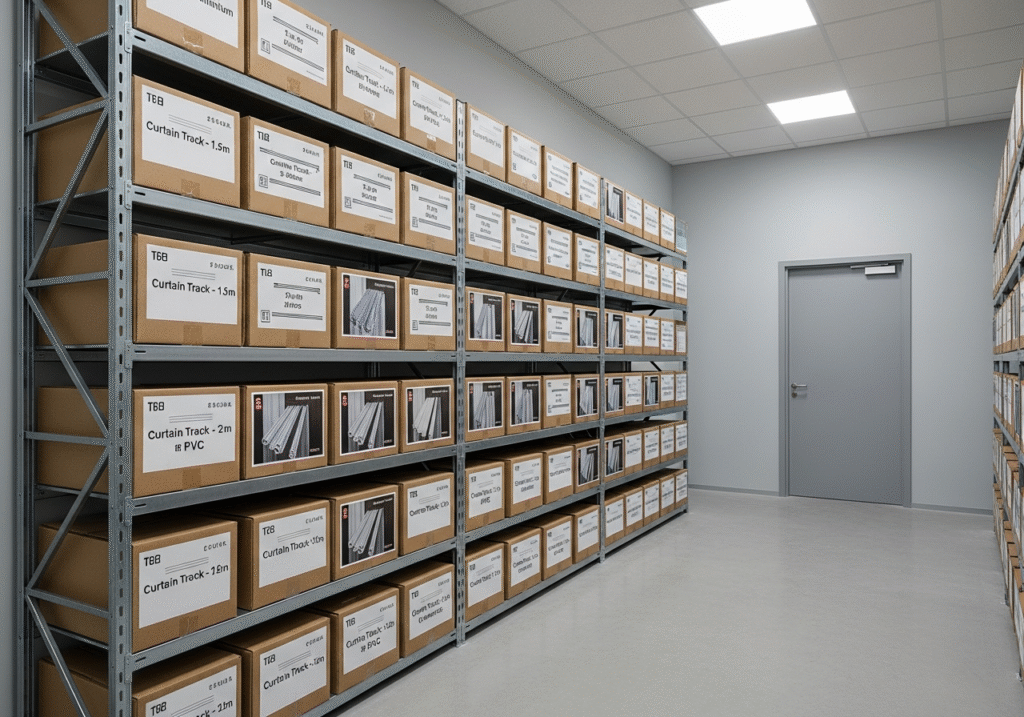
The fit-out schedule should be used to deliver tracks not just on time, but at the right time. This means scheduling delivery for a specific, clean window after all dusty and wet trades have finished, but before the final cleaning crews arrive. Delivering too early places the product at risk of damage, loss, or theft on a messy, unsecured site. Coordinating with the site manager to secure a clean, designated storage area is just as important as the delivery date itself.
Stage 1: Order Confirmation (Post-Framing)
The first key date is not for delivery. It’s the deadline for confirming technical details. This should happen right after the structural blocking is in and before the walls are closed. At this point, we can confirm fixing methods, bracket types, and any other structural considerations. This is the point of no return for the core specifications of the order.
Stage 2: Production & Logistics (During Fit-Out)
While the fit-out team is busy with plastering, sanding, and painting, we are in production. The key here is communication. We monitor the project’s progress. If the fit-out is delayed by a week, we need to know so we can adjust our production and shipping schedule. There’s no point having a finished order sitting in our warehouse for a month, or worse, shipping it to a site that isn’t ready.
Stage 3: "Clean Site" Delivery (Final Fix)
This is the execution of the delivery plan. We coordinate with the site manager to ensure there is a clean, secure space to receive the goods. Often, for large hotel projects, we label and pack the tracks by floor or room number (e.g., "Floor 3, Rooms 301-315"). This saves the installation team hours of sorting on site. The goal is for the product to go from the box to the wall with minimal on-site handling.
Which Communication Points Keep Installers and Designers Aligned?
The interior designer specified a beautiful ceiling-recessed curtain track for a minimalist look. The installers arrive to find the ceiling cavity is filled with HVAC ducts and plumbing, with no space and no blocking to mount the track. The designer is upset the vision is compromised, the installer is frustrated, and the client is angry about the delay. This expensive failure happened because two key teams never spoke to each other early enough.
The most vital communication point is the early-stage review of the designer’s drawings by the track supplier and installer. This allows the installation expert to flag potential structural or spatial conflicts before construction begins. Establishing a direct line of communication, rather than relaying messages through a general contractor, ensures that design intent and practical installation requirements are reconciled, preventing rework and preserving the aesthetic vision.

The Kick-Off Meeting: Aligning Vision and Reality
The project kick-off meeting is the golden opportunity. The designer presents their vision. The installer, armed with our technical knowledge, can immediately ask practical questions:
- "To achieve that recessed look, we need a 4-inch deep pocket. Is there room for that in the ceiling plan?"
- "The drawing shows a wall-to-wall track, but there is a ventilation grille here. Should the track stop short, or do we need to move the grille?"
- "For these heavy curtains, we need blocking every 16 inches. Can we ensure the framing plan reflects this?"
This single conversation can save tens of thousands of dollars down the line.
Submittals and Shop Drawings: The Formal Checkpoint
Before any manufacturing begins, we create detailed shop drawings. These translate the designer’s concept into a technical plan. They show the exact profile of the track, the bracket locations, the motor position for motorized systems, and any custom components. The designer and the general contractor must sign off on these drawings. This formal process ensures everyone agrees on the technical details and confirms that the design is buildable.
The Pre-Installation Walk-Through
Just before the installation is scheduled to begin, a final walk-through with the installer and site foreman is invaluable. This is the last chance to spot any discrepancies between the plan and the reality. Maybe a light fixture was moved slightly, or a wall is not perfectly straight. These small issues can be addressed proactively before the full installation team arrives, ensuring a smooth and efficient final fix.
How Can Suppliers Reduce Rework During the Final Fix Stage?
The hotel is weeks from opening. During final inspection, you notice that in several rooms, the curtain track end-caps are missing. In others, the draw wands are the wrong length. These are small, inexpensive parts, but now you have to place a new order, pay for express shipping, and schedule a team to go back to a "finished" site to fix the errors. This is death by a thousand cuts—small mistakes that add up to significant cost and delay.
Suppliers can dramatically reduce rework by shifting from being just component providers to being solution partners. This means delivering pre-kitted, room-specific packages instead of bulk boxes of parts. By pre-cutting tracks, pre-counting brackets and gliders, and labeling everything by room number at the factory, we eliminate on-site sorting, cutting, and the human error that leads to missing parts and installation mistakes during the chaotic final fix stage.

The Power of Kitting
On a large project with hundreds of rooms, installers are working under immense pressure. Asking them to count out 24 gliders, 5 brackets, and 2 end caps for each room is a recipe for error. Our solution is factory kitting. We create a complete package for each room that includes:
- The correctly sized, pre-cut track, deburred and cleaned.
- A sealed bag with the exact number of gliders, brackets, and screws.
- The correct end caps, draw wands, and any other accessories.
- A label clearly identifying the room number (e.g., "Room 501 – Window A").
This simple change transforms the installation process. It removes guesswork, reduces on-site waste, and ensures 100% consistency from room to room.
Factory Pre-Assembly
For motorized systems, we can take this a step further. We can pre-assemble the motor onto the track, install the master carriers, and even pre-program the remote controls in the factory. This turns a complex, multi-step installation into a simple "plug-and-play" process. It drastically reduces the skill level required for on-site labor and eliminates the most common points of failure for motorized systems.
Clear Labeling and Packaging
Damage during transit and on-site handling is another major cause of rework. We’ve learned that robust packaging1 is not a cost, but an investment. Tracks should be individually wrapped to prevent scratches. Brackets and small parts should be in sealed, durable bags. Everything should be packed in reinforced cartons2 that are clearly labeled with the project name and contents. This ensures the product arrives on-site in perfect condition, ready for installation.
Conclusion
Successfully integrating curtain track installation into a complex fit-out project hinges on a simple change in perspective. Instead of viewing it as a minor decorative task for the end of the job, it must be treated as a structural element that requires planning from day one. By focusing on hidden blocking, aligning delivery with site cleanliness, fostering direct communication between the designer and installer, and using factory kitting to eliminate on-site errors, we can move from reactive problem-solving to proactive coordination. This collaborative approach doesn’t just prevent rework; it builds stronger partnerships and ensures the final result is as flawless as the initial design intended.
Frequently Asked Questions (FAQ)
1. What is "structural blocking" and why is it essential for curtain tracks?
Structural blocking is a piece of wood or metal reinforcement installed inside a wall or ceiling cavity during the framing stage. It is essential because standard plasterboard is not strong enough to securely anchor heavy curtains. Blocking provides a solid fixing point, preventing the track from ripping out of the wall over time.
2. Who is responsible for ensuring blocking is installed correctly?
Ultimately, the general contractor is responsible for the building’s structure. However, as a curtain track supplier or installer, it is your responsibility to proactively communicate the need for blocking, its precise location, and its load-bearing requirements to the contractor, designer, and architect early in the project.
3. When is the last chance to check for blocking?
The ideal time to check is after the wall and ceiling frames are built but before the plasterboard is installed. Once the walls are closed, it becomes a major and costly rework task to add blocking, involving cutting, patching, and repainting finished surfaces.
4. Why is delivering tracks too early a problem on a construction site?
Delivering too early exposes the product to damage from dusty or wet trades (like sanding and painting), theft from an unsecured site, and on-site misplacement. It’s best to deliver to a clean, secure area just before the installation is scheduled to begin.
5. What are "shop drawings" and why are they important?
Shop drawings are detailed technical diagrams created by the supplier that translate the designer’s concept into a precise manufacturing and installation plan. They show exact dimensions, bracket placements, and component details. Securing sign-off from the designer and contractor on these drawings prevents misunderstandings and ensures the design is buildable.
6. Our installer says the wall isn’t flat. What should we do?
If a wall or ceiling has bows or waves, the installer should use shims (thin packers) behind the mounting brackets. This ensures the rigid aluminum track can be installed perfectly straight without being warped by the uneven surface, which would otherwise cause the gliders to stick.
7. What is "factory kitting" and how does it reduce rework?
Factory kitting is the process of packaging all the components for a single installation (e.g., one hotel room) into a complete, labeled kit at the factory. This includes the pre-cut track, the exact number of gliders and brackets, and all accessories. It eliminates on-site sorting errors, prevents missing parts, and makes the installation process faster and more accurate.
8. How do I coordinate installation when the designer wants a recessed track?
Early communication is key. The supplier and installer must review the designer’s drawings during the initial planning phase to confirm there is sufficient space in the ceiling cavity for the recessed pocket and, crucially, that structural blocking can be installed above it.
9. What is the most common cause of disputes between track installers and general contractors?
The most common cause is the lack of pre-installed structural blocking. The installer arrives to a finished wall with no secure place to mount the track, leading to arguments over who is responsible for the costly rework and the resulting project delays.
10. How can labeling boxes by room number help the project?
For large projects like hotels, labeling packages by room or floor number dramatically improves on-site logistics. It allows for efficient distribution of materials to the correct location and saves the installation team hours of unboxing and sorting hundreds of components in a chaotic environment.