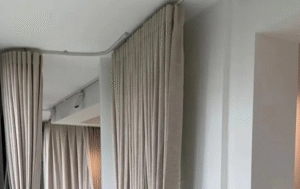
As a purchasing manager, you often see the choice between a concealed and an exposed curtain track as a simple aesthetic decision driven by cost. The architect specifies a sleek, recessed track, and you source the most cost-effective option. But then the calls start. The general contractor is angry because the track wasn’t on-site with the framers, and now they have to cut into a finished ceiling. This small "hardware" choice has just caused a massive logistical headache, delaying the project and blowing the budget.
Blending curtain track aesthetics with hotel design goes far beyond the visual. It involves understanding that the aesthetic choice—especially between concealed and exposed tracks—is fundamentally a logistical one. A truly integrated look requires early-stage collaboration, synchronizing procurement with construction schedules. The final appearance is not just about the hardware’s look, but about how it is planned as part of the room’s infrastructure from day one.
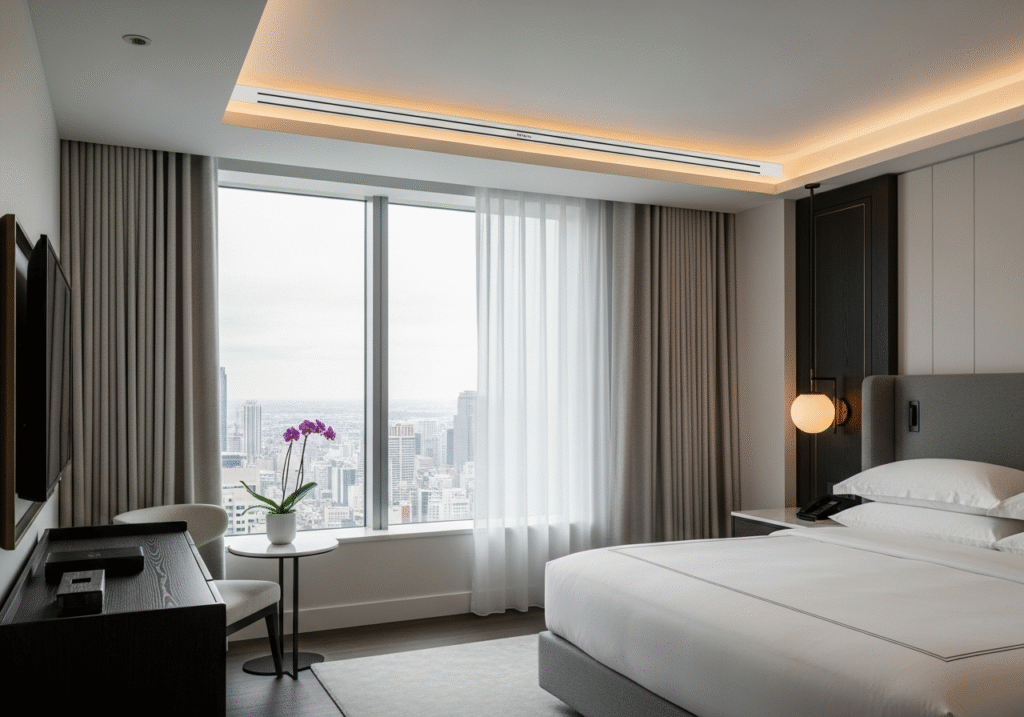
I learned this the hard way on a boutique hotel project in Miami. The designer wanted a "zero-sightline" recessed track. It sounded simple enough. We shipped our best recessed profile, but we shipped it on the schedule we’d use for standard hardware. It arrived after the ceilings were plastered and painted. The cost to channel the ceiling, re-plaster, and repaint was ten times the cost of the track itself. That day, I realized we don’t just sell curtain tracks; we sell integrated solutions, and the biggest part of that solution is a project timeline.
How Do Track Finishes and Colors Influence Hotel Room Atmosphere?
You’re trying to source hardware for a hotel room with warm, brushed brass fixtures. You find a curtain track with a "gold" finish that looks close enough on screen and is priced well. When the sample arrives, it’s a shiny, yellow-toned gold that clashes horribly with the muted, elegant brass. Now you’re back to square one, with the designer rejecting the sample and the deadline looming. The small detail of a finish has become a major roadblock.
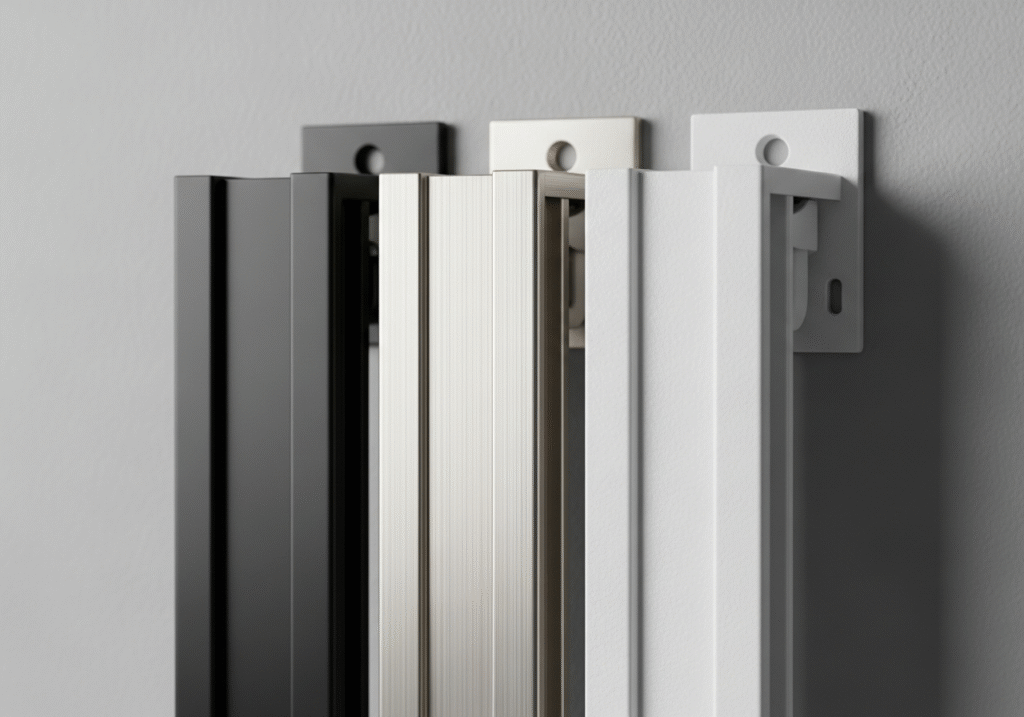
Track finishes and colors are critical in setting a hotel room’s atmosphere because they support the overall design narrative. A track that is powder-coated to match the exact RAL code of the ceiling paint creates a seamless, minimalist feel. A contrasting matte black finish, on the other hand, can add a bold, industrial accent. The quality and color consistency of the finish directly contribute to the perception of luxury and attention to detail.
Matching a Cohesive Color Palette
In high-end design, there’s no such thing as "just white." An architect will specify an exact shade, like "Benjamin Moore Chantilly Lace." A standard white track will look jarringly out of place. This is where precise color matching becomes essential. Manufacturers who offer powder coating to a specific RAL color code allow the track to blend perfectly with the ceiling. This makes the track disappear, placing the focus entirely on the architecture and the drapery.
Durability Creates a Lasting Impression
The finish isn’t just about color; it’s about quality. A cheap, spray-painted finish will chip and flake over time, especially with heavy use in a hotel. A durable finish like powder coating or anodizing ensures the track looks as good on day one thousand as it did on day one. This longevity is a key part of the guest’s impression of a well-maintained, premium property. We often talk about coating thickness in microns; a thicker, more resilient coating is a mark of quality.
Using Finishes as a Deliberate Accent
Sometimes, the goal isn’t to hide the track but to feature it. In a room with black window frames and door hardware, a matte black curtain track becomes a deliberate part of the design. It creates a strong graphic line that can frame a window and tie the room’s other elements together. In these cases, the track moves from being a piece of hardware to a piece of the decor itself.
| Finish Type | Durability | Color Options | Best Use Case |
|---|---|---|---|
| Powder Coating | Excellent | Vast (Full RAL Spectrum) | Matching specific paint colors; high-traffic areas. |
| Anodizing | Very Good | Limited (Metallic shades) | When a durable, metallic finish is desired. |
| Standard Paint | Fair | Good | Budget-conscious projects with low wear and tear. |
Concealed vs. Exposed Tracks: Which Looks More Premium?
You’re in a design meeting, and the team is debating between a concealed and an exposed curtain track. The consensus leans toward concealed, with everyone agreeing that "hiding the track looks more expensive." You’re worried because you know that cutting a channel into the ceiling on-site is complex and can look messy if not done by a highly skilled contractor. The pursuit of a "premium" look could backfire and result in a poorly finished job that looks worse than an honest, well-installed exposed track.
While concealed tracks are often seen as the premium choice for minimalist interiors, the truly "premium" look comes from flawless execution and intentionality. A beautifully designed, high-quality exposed track that complements the room’s decor can look just as luxurious, if not more so, than a poorly installed recessed track with visible gaps or a rough plaster finish. Premium is about the quality of the integration, not the method itself.
The Logistical Reality of Concealed Tracks
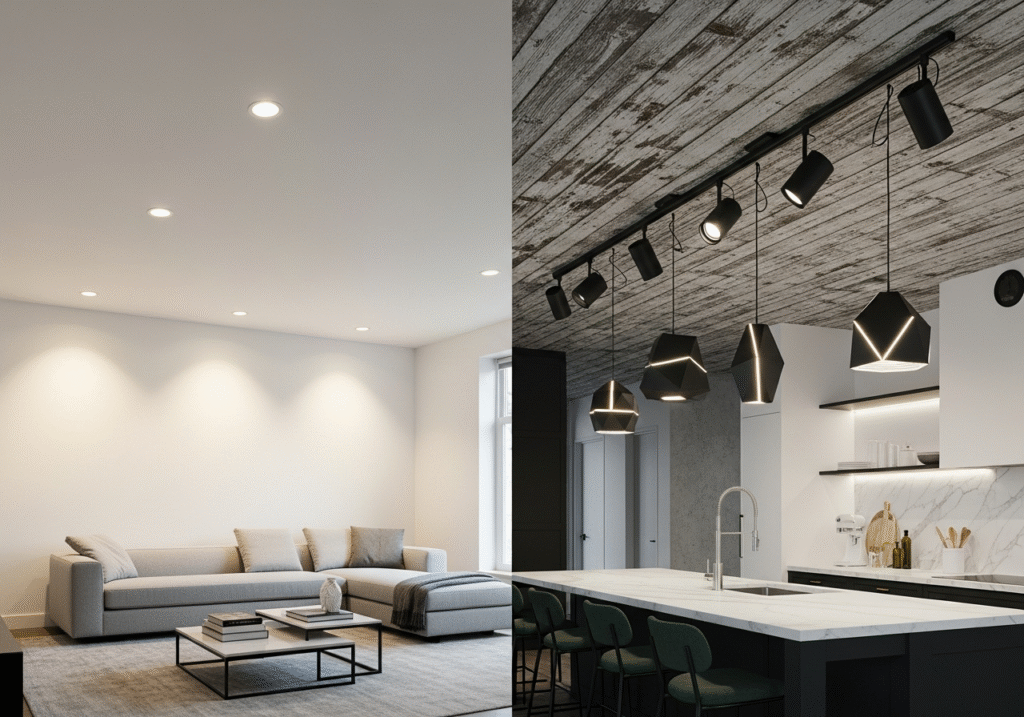
Here is the most important distinction that is often missed. A truly recessed, zero-sightline track is not just hardware. It is integrated infrastructure. Its procurement and installation must be timed with the framing and drywall contractors, long before the painters arrive. It becomes part of the building’s architecture. Everyone on the project team, from the architect to the general contractor to the purchasing manager, needs to be aligned on this from the very beginning.
The Simplicity of Exposed Tracks
An exposed track or decorative rod, by contrast, is an FF&E item (Furniture, Fixtures, and Equipment). It is installed at a much later stage, typically after the walls are painted and finished. This requires far less cross-trade coordination. The installation is simpler, faster, and carries less risk of impacting other finished surfaces. From a project management perspective, it is a much more straightforward product to handle.
Making the Right Project Management Choice
Therefore, the decision between concealed and exposed is not just about aesthetics. It’s a project management decision. Does your project’s timeline, budget, and structure support the intense, early-stage coordination required for a perfectly concealed track? Do you have skilled installers who can execute it flawlessly? If not, a high-quality exposed track can deliver a more predictable and equally beautiful premium result.
| Factor | Concealed Track | Exposed Track |
|---|---|---|
| Installation Timing | Early-stage (with framing) | Late-stage (after painting) |
| Trade Coordination | High (Architect, GC, Framer) | Low (Drapery installer) |
| Aesthetic | Minimalist, integrated | Can be minimalist or decorative |
| Project Risk | High (Requires perfect execution) | Low (Simpler installation) |
How Do You Integrate Curtain Tracks with Lighting, Pelmets, and Ceiling Lines?
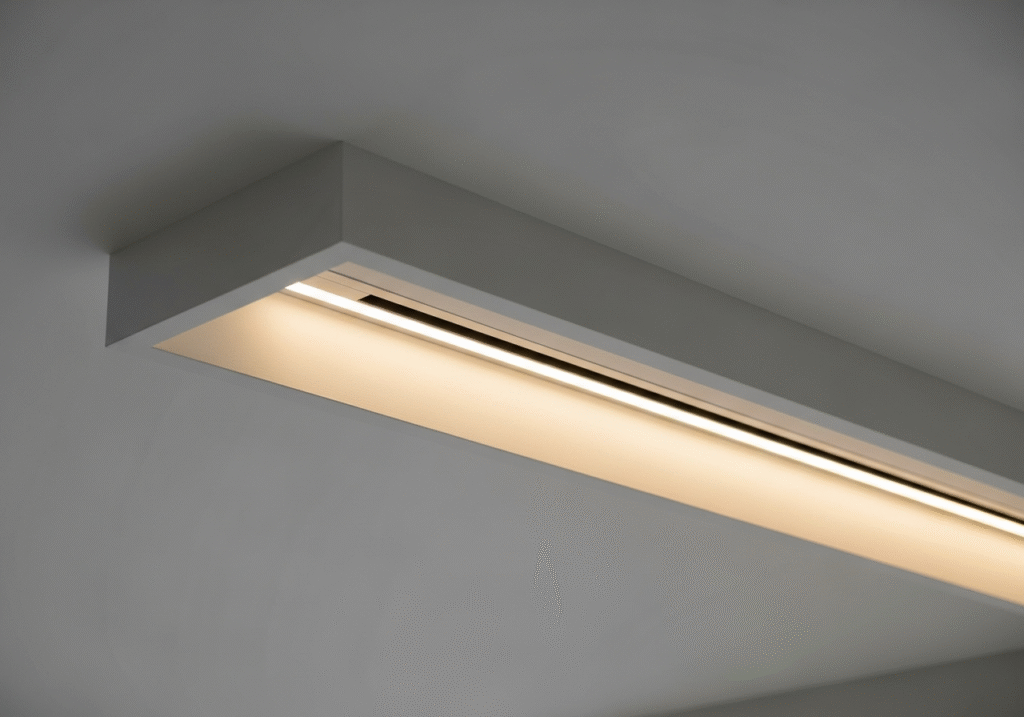
An architect’s design shows drapery hanging from a ceiling pocket, with a strip of LED lighting inside the pocket creating a "glow" effect. It looks stunning in the rendering. But you know that the heat from the LED strip could damage the track’s plastic gliders over time. You also have to figure out how to mount both the track and the light strip in a very narrow space without them interfering with each other. The beautiful design concept is about to meet a difficult installation reality.
Successful integration requires planning the track as part of a system, not as a standalone item. This means coordinating its placement with lighting plans to avoid material damage and ensure proper light diffusion. When using pelmets or valances, the track must be positioned to allow the fabric to hang freely without snagging. Aligning tracks perfectly with architectural ceiling lines and transitions ensures a clean, intentional look that elevates the entire space.
Coordinating with Lighting Plans
Integrated LED lighting in ceiling coves or pockets is a popular feature in modern hotels. When planning this, the curtain track placement is critical. The track should be positioned so the light washes down the curtain fabric evenly, not behind it. As a supplier, we can provide technical drawings showing the ideal placement relative to the light source and advise on using high-temperature-resistant gliders if the heat from the LEDs is a concern.
Working with Pelmets and Valances
Pelmets are a classic way to hide curtain track hardware and add a formal design element. The key to successful integration is ensuring there is enough clearance. The track must be mounted far enough back from the front of the pelmet board so the curtain heading (especially bulky styles like pinch pleat) doesn’t rub against it. We often provide clearance diagrams to help designers and installers get this spacing exactly right.
Aligning with Architectural Lines
Nothing looks worse than a curtain track that is misaligned with a ceiling feature or a window frame. In rooms with soffits, coffered ceilings, or other architectural details, the track must be placed with precision. A perfectly centered track within a ceiling cove or one that runs exactly parallel to a bulkhead demonstrates a high level of craftsmanship and attention to detail that guests notice.
Why Do Minimalist Track Designs Dominate Modern Hotel Interiors?
You’re looking through the design trends for upcoming hotel projects, and you see the same look over and over: clean lines, uncluttered spaces, and technology that is functional but invisible. The big, decorative curtain rods and ornate finials of the past are gone, replaced by slim, barely-there tracks. You realize that sourcing the "tried and true" decorative hardware of yesterday will leave you behind a major design shift.
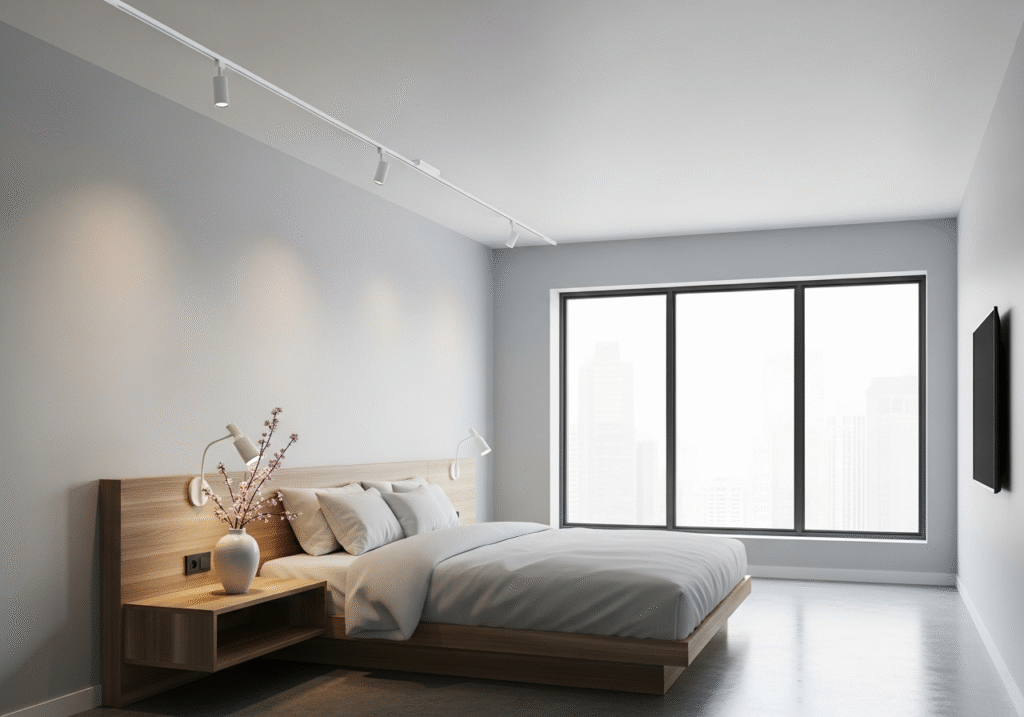
Minimalist track designs dominate modern hotel interiors because they align with the core principles of contemporary luxury: creating a calm, uncluttered, and spacious environment. Slim, simple profiles, especially when recessed and hidden, remove visual noise and place the focus on the architecture, the view, and the quality of the textiles. This "less is more" approach makes rooms feel larger and more serene, which is precisely the experience modern travelers are looking for.
The Power of "Invisible" Hardware
The ultimate goal of many modern designs is to make the hardware disappear. A recessed track that is plastered over, leaving only a tiny, clean slot in the ceiling, is the purest form of this. When the curtains are closed, they appear to float, emerging directly from the ceiling. This creates a touch of magic and sophistication that is impossible to achieve with visible hardware. It’s a design choice that says every single detail has been considered.
Maximizing Light and Space
Minimalist ceiling-mounted tracks, rather than wall-mounted rods, allow drapery to be hung higher and wider than the window frame. This is a classic designer trick to make windows look larger and ceilings taller. By stacking the curtains completely off the glass when open, it maximizes natural light. This contributes to a feeling of openness and wellbeing, which is a huge part of the guest experience.
Focus on Fabric and Function
When you remove the distraction of decorative hardware, the focus shifts to two things: the beauty of the curtain fabric and the smoothness of the function. A minimalist track1 allows a luxurious textile to be the star. And when that curtain glides silently and effortlessly along its hidden track—especially if motorized2—it creates a powerful feeling of seamless, modern luxury. The function itself becomes a key part of the aesthetic.
Conclusion
The aesthetic of a curtain track in a hotel is about more than just its color or shape. It’s about a deep understanding of how that track becomes part of the room’s architecture and the project’s timeline. The most successful designs are a result of collaboration, where the choice between concealed and exposed is treated as a strategic project management decision, not just a line item. By shifting our perspective from "hardware" to "integrated infrastructure," we can help designers and architects achieve that flawless, premium finish that defines modern luxury, ensuring the result is beautiful, functional, and delivered on schedule.
Frequently Asked Questions (FAQ)
1. What is the main difference between sourcing a concealed vs. an exposed curtain track?
The main difference is project timing and coordination. A concealed track is an architectural component that must be ordered and installed early with framers and drywallers. An exposed track is an FF&E item, installed late in the project after painting, requiring much less coordination.
2. How can I ensure a curtain track finish matches the room’s paint color exactly?
To guarantee a perfect match, specify a powder-coated finish and provide the RAL color code for the paint. This allows the manufacturer to create a track that blends seamlessly with the ceiling or wall for a truly integrated look.
3. Is a concealed track always the more luxurious option?
Not necessarily. While often associated with high-end minimalism, a poorly executed concealed track can look cheap. A high-quality, well-designed exposed track that fits the room’s decor can look equally or more luxurious. The premium feel comes from the quality of execution.
4. What should be considered when integrating LED lighting with a curtain track?
You must consider the placement of both elements to ensure the light washes the curtain correctly. It’s also important to check if heat from the LED strip will affect the track’s components, possibly requiring high-temperature-resistant gliders.
5. Why are minimalist track designs so popular in new hotels?
Minimalist designs create a calm, uncluttered aesthetic that makes rooms feel larger and more serene. By removing visual distractions, they put the focus on the view, the architecture, and the quality of the fabrics, which aligns with the modern definition of luxury.