Executive Summary
The interior architectural hardware sector is undergoing a significant transformation, driven by a demand for products that align with circular economy principles and possess a verifiable low environmental impact. This report details six leading sustainable materials and approaches that are redefining the curtain track system market. By analyzing each material’s composition, production lifecycle, and end-of-life potential, this document provides architects, designers, and sustainability consultants with the critical data needed to make informed specification decisions. The focus is on materials that offer durability, high performance, and a reduced carbon footprint, with an emphasis on brand implementations that are setting new industry benchmarks.
1. Recycled Aluminum (Low-Carbon)
Recycled aluminum is the leading material for sustainable curtain track systems, offering a dramatic reduction in environmental impact compared to virgin alternatives. Its adoption signifies a major shift towards circularity in architectural hardware.
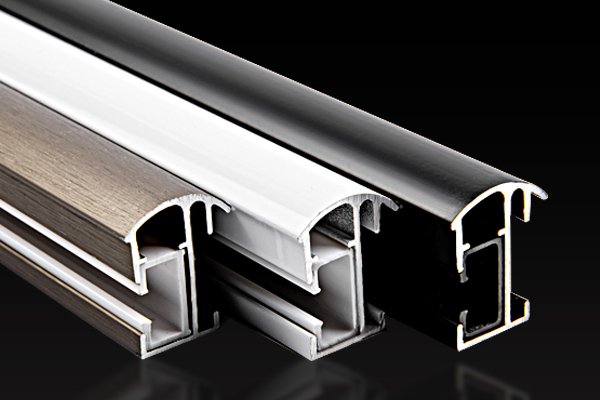
- Composition & Source: Comprised of a minimum of 75% post-consumer scrap. This high-purity aluminum is recovered from end-of-life products such as decommissioned building facades, window frames, and automotive components.
- Production & Sustainability Metrics:
- Process: Post-consumer scrap is melted, purified, and extruded into new track profiles. Leading manufacturers specify the use of 100% renewable energy (e.g., hydro, wind, solar) for the extrusion process.
- Carbon Footprint: This method generates a carbon footprint as low as 2.3 kg of CO₂e per kg of aluminum. This represents an approximate 95% reduction in energy consumption and over an 85% reduction in carbon emissions compared to the global average for primary aluminum production.
- Lifecycle & Circularity: Aluminum is infinitely recyclable without any degradation in quality or structural integrity. This "cradle-to-cradle" capability makes it a cornerstone of the circular economy, ensuring the material can be perpetually recovered and reintroduced into the supply chain, thus eliminating landfill waste.
- Durability & Application: Excellent corrosion resistance, high strength-to-weight ratio, and robust durability ensure a long service life. It is suitable for all applications, from lightweight residential sheers to heavy-duty commercial blackout curtains.
- Brand Implementation & Case Studies:
- Stilling | SUSTAIN™ Line (Launched 2021): A pioneering product family built entirely on this principle. The Danish brand was among the first to market a complete curtain track system made from low-carbon recycled aluminum, setting a new industry standard for transparency and eco-design.
- CWF | CIRCAL© Integration: Contract-focused CWF utilizes Hydro CIRCAL© aluminum, which guarantees a minimum of 75% post-consumer content. Their systems are specified for high-end commercial projects where LEED or BREEAM certification is a key objective.
2. High-Quality Virgin Aluminum
While not recycled, virgin aluminum from responsible sources contributes to sustainability through its exceptional durability and full end-of-life recyclability, aligning with long-term circular design strategies.
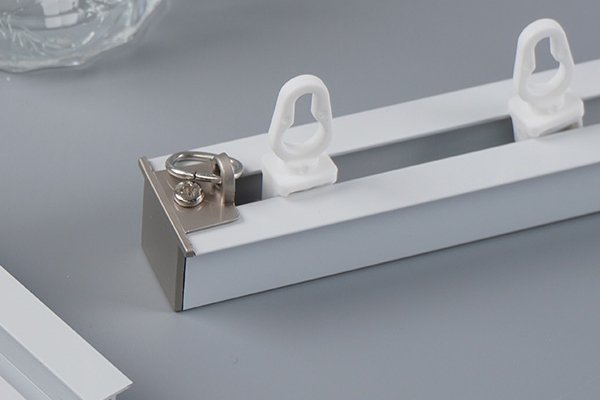
- Composition & Source: Mined bauxite ore is refined into alumina, then smelted into primary aluminum. The focus for sustainability rests on the energy source for smelting and the quality of the final alloy.
- Production & Sustainability Metrics:
- Process: Manufacturers prioritize low-impact production powered by hydroelectricity. They also utilize advanced, non-toxic finishing processes like powder coating or anodizing, which are free of Volatile Organic Compounds (VOCs).
- Carbon Footprint: The footprint is significantly higher than recycled aluminum but can be mitigated. Best-in-class primary aluminum produced with hydropower has a carbon footprint of around 4.0 kg CO₂e/kg.
- Lifecycle & Circularity: The key benefit is its 100% recyclability at end-of-life. Designing with high-quality, long-lasting virgin aluminum ensures the material remains a valuable resource for a future circular economy, avoiding the "design for landfill" pitfall.
- Durability & Application: Superior structural integrity and a pristine finish make it ideal for high-precision systems, including complex bends and motorized tracks. Its longevity reduces the environmental impact associated with frequent replacements.
- Brand Implementation & Case Studies:
- Goelst: The Dutch brand emphasizes the durability and timeless design of its aluminum tracks as a core tenet of sustainability. By creating products that last for decades, they advocate for a "use longer, replace less" model, which is a fundamental aspect of sustainable consumption.
3. Recycled Nylon Components
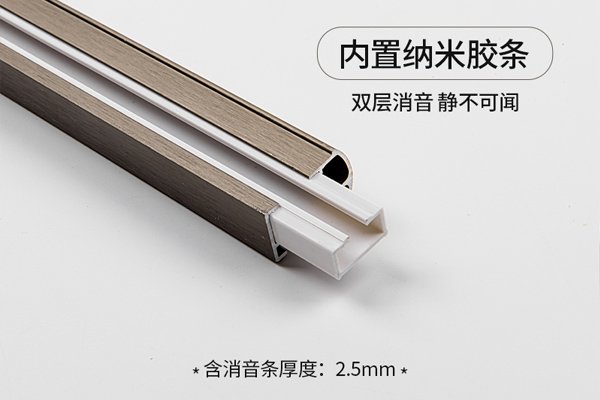
Sustainability extends beyond the track itself to encompass all components. Using recycled polymers for essential accessories is critical for creating a holistically green product.
- Composition & Source: Derived from pre-consumer (industrial offcuts) or post-consumer (e.g., discarded fishing nets, carpets, textiles) nylon waste.
- Production & Sustainability Metrics: Waste polymers are re-polymerized or re-melted and molded into new parts. This process significantly reduces the demand for virgin fossil fuels, conserves energy, and diverts plastic waste from oceans and landfills.
- Lifecycle & Circularity: While recyclability can be complex, designing for disassembly allows these nylon parts to be separated and potentially re-processed. The primary benefit is in reducing virgin plastic production.
- Durability & Application: High-performance recycled nylon offers excellent lubricity for quiet gliding, UV stability, and the mechanical strength required for gliders, brackets, and end caps.
- Brand Implementation: Leading sustainable track systems, such as Stilling’s SUSTAIN™ line, ensure that all plastic components are made from reused or recycled materials to complement the low-carbon aluminum track.
4. FSC-Certified Wood
Wood offers a renewable, aesthetically distinct alternative to metal, provided it is sourced responsibly.
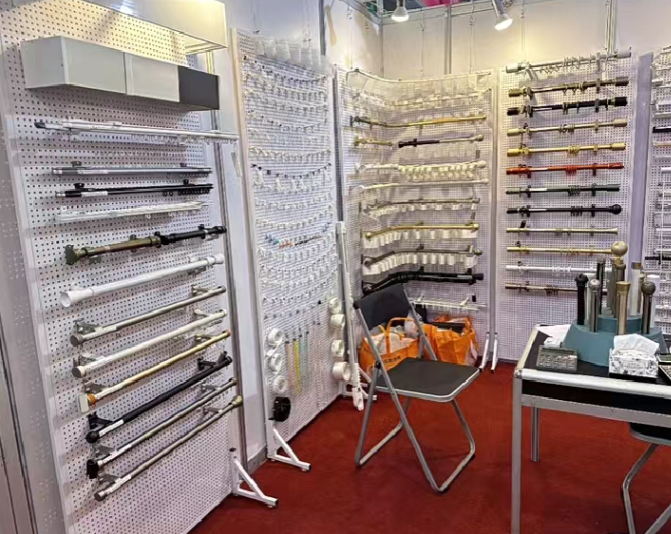
- Composition & Source: Sourced from forests certified by the Forest Stewardship Council (FSC). The FSC label guarantees that the wood comes from forests managed to preserve biological diversity and ensure long-term renewability.
- Production & Sustainability Metrics: Low-impact processing with non-toxic, water-based finishes. Wood acts as a carbon sink, sequestering carbon throughout its product life.
- Lifecycle & Circularity: Biodegradable and suitable for generating bioenergy at its end-of-life. However, it is not part of a technical, circular recycling loop like aluminum.
- Durability & Application: Best suited for decorative poles or lightweight track systems in residential or light commercial settings where a natural aesthetic is desired. Less common for heavy-duty or complex curved applications.
5. Galvanized Steel
Valued for its extreme durability and strength, steel’s sustainability profile is enhanced when recycled content is utilized.
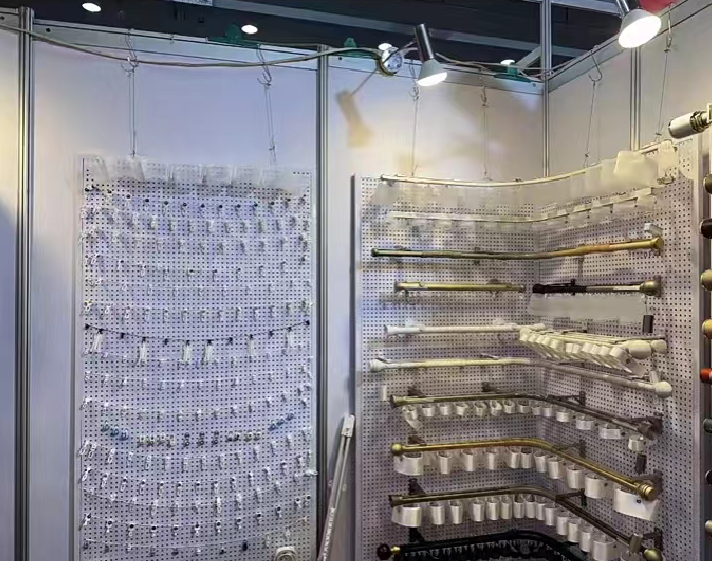
- Composition & Source: An iron alloy coated with zinc for corrosion resistance. A significant percentage can be sourced from recycled steel scrap, as steel is the world’s most recycled material.
- Production & Sustainability Metrics: The galvanization process is energy-intensive, but the material’s extreme longevity provides a strong "use-phase" environmental benefit. Specifying steel with high recycled content drastically lowers its embodied carbon.
- Lifecycle & Circularity: Fully recyclable at end-of-life. Its magnetic properties make it easy to separate from waste streams for efficient recycling.
- Durability & Application: Primarily used for heavy-duty and industrial applications, such as theatrical curtains, large-scale space dividers, or hospital cubicle tracks, where strength and service life are paramount.
6. Responsible PVC
While traditionally viewed as environmentally problematic, advancements in PVC formulation and recycling have created semi-sustainable niches for this material.
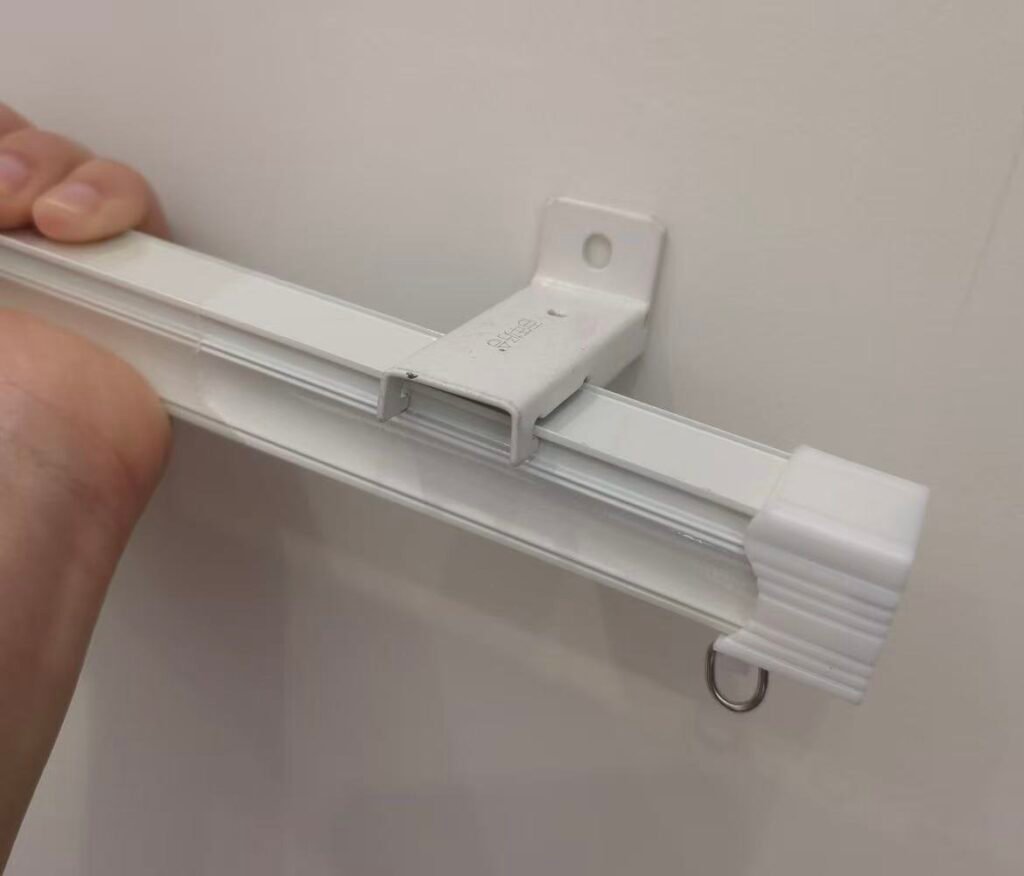
- Composition & Source: Polyvinyl chloride. "Responsible" variants are those made with low-emission production methods, without harmful plasticizers (phthalate-free), and/or with a high percentage of recycled PVC content.
- Production & Sustainability Metrics: Its primary environmental advantage is low-friction operation and flexibility. Sustainability credentials depend entirely on manufacturer transparency regarding production emissions and recycled content.
- Lifecycle & Circularity: PVC recycling is not as widespread or efficient as metal recycling, posing an end-of-life challenge. However, some manufacturers operate take-back programs.
- Durability & Application: Its inherent flexibility makes it a common choice for hand-bendable tracks for bay windows and other curved installations. Its value is in creating continuous, smooth bends without the need for custom factory curving.
Comparative Analysis & Recommendations
| Material / Approach | Primary Sustainability Benefit | Carbon Footprint | Recyclability | Ideal Application |
|---|---|---|---|---|
| Recycled Aluminum | Lowest Embodied Carbon (Circular) | Lowest | Infinite | Best Practice: Universal (All Project Types) |
| Virgin Aluminum | Longevity & End-of-Life Value | Medium | Infinite | High-Precision & Motorized Systems |
| Recycled Nylon | Waste Reduction & Virgin Plastic Offset | Low | Good | All Functional Components (Gliders, Caps) |
| FSC-Certified Wood | Renewable, Carbon Sequestration | Low (Net) | Biodegradable | Decorative & Lightweight Systems |
| Galvanized Steel | Maximum Durability & Lifespan | High (Mitigated by Recycling) | Infinite | Heavy-Duty & Industrial Use |
| Responsible PVC | Design Flexibility (Bendability) | Varies (Medium-High) | Limited | Hand-Bendable Curved Installations |
Best Practice Recommendations for Specification:
- Prioritize Recycled Content: For the majority of projects, specifying a curtain track system made from low-carbon recycled aluminum (≥75% post-consumer) is the most impactful choice for reducing embodied carbon.
- Verify the Entire System: Ensure sustainability claims apply to the entire assembly. Look for systems that pair a recycled aluminum track with recycled nylon components.
- Embrace Durability as a Metric: In high-traffic or heavy-duty environments, the extreme durability of galvanized steel or high-quality virgin aluminum can be justified as a sustainable choice due to its extended lifecycle, which avoids resource consumption from future replacements.
- Embrace Durability as a Metric: In high-traffic or heavy-duty environments, the extreme durability of galvanized steel1 or high-quality virgin aluminum2 can be justified as a sustainable choice due to its extended lifecycle, which avoids resource consumption from future replacements.
Relate
Frequently Asked Questions (FAQs)
1. What makes low-carbon recycled aluminum the top choice for sustainable curtain tracks?
Low-carbon recycled aluminum is superior because its production uses approximately 95% less energy and generates over 85% fewer carbon emissions than new aluminum. By utilizing at least 75% post-consumer scrap and renewable energy for extrusion, it directly supports the circular economy and drastically reduces a project’s embodied carbon footprint without compromising on performance or durability.
2. If virgin aluminum is 100% recyclable, why is it considered less sustainable than recycled aluminum?
While virgin aluminum’s end-of-life recyclability is a key sustainable feature, its initial production (smelting bauxite ore) is an extremely energy-intensive process. Recycled aluminum bypasses this entire stage, conserving massive amounts of energy and natural resources. Therefore, specifying recycled aluminum avoids significant upfront environmental impact.
3. What are EPDs and why are they important when specifying sustainable hardware?
An Environmental Product Declaration (EPD) is a transparent, third-party verified document that quantifies a product’s environmental impact throughout its lifecycle (LCA). For architects and designers pursuing green building certifications like LEED or BREEAM, EPDs provide the standardized, reliable data needed to prove that a product meets specific sustainability criteria and contributes to the project’s overall performance.
4. How do components like gliders and end caps contribute to a track’s sustainability profile?
A curtain track is a system, and every component matters. Using recycled nylon for gliders, brackets, and end caps is crucial for a holistically sustainable product. This practice reduces reliance on virgin fossil fuels, diverts plastic waste from landfills and oceans, and ensures that the smaller, often overlooked parts of the assembly align with the eco-credentials of the main track.
5. How can galvanized steel, with its high production energy, be considered a sustainable option?
The sustainability of galvanized steel lies in its extreme durability and longevity. In heavy-duty commercial or industrial applications, a steel track may last for decades, drastically reducing the resource consumption and waste associated with multiple replacement cycles of a less durable material. Its sustainability is further enhanced when it is manufactured with a high percentage of recycled steel content.
6. Are flexible PVC tracks a good sustainable choice for bay windows?
PVC tracks are "semi-sustainable" and represent a trade-off. Their primary benefit is functional—providing a smooth, hand-bendable curve without custom fabrication. However, from a material lifecycle perspective, they are less sustainable than aluminum. If specified, it is critical to select PVC that is phthalate-free, produced with low emissions, and ideally contains recycled content, while acknowledging its end-of-life challenges.
7. When is FSC-certified wood a suitable alternative to aluminum or steel?
FSC-certified wood is an excellent choice for projects where a natural aesthetic is desired and the curtain load is light to moderate. As a renewable material that sequesters carbon, it offers strong environmental benefits. It is best suited for decorative curtain poles and tracks in residential or boutique commercial settings but lacks the high-load capacity and complex bending capabilities of metal systems.
8. Do sustainable curtain track systems have a higher upfront cost?
Initially, some advanced sustainable systems (like low-carbon recycled aluminum) may have a modest cost premium over standard, non-sustainable options due to certification and specialized supply chains. However, this gap is narrowing rapidly. Furthermore, when considering total cost of ownership, their superior durability and longevity often result in a lower lifetime cost, providing a strong return on investment.
9. Can you explain the "circular economy" concept in the context of aluminum curtain tracks?
In a circular economy, materials are never discarded as waste. An aluminum curtain track exemplifies this perfectly. It is manufactured from old aluminum (post-consumer scrap). After a long service life, the entire track can be melted down and extruded into a new, high-quality product without any loss of integrity. This "cradle-to-cradle" loop perpetually retains the material’s value and eliminates the need for landfilling.
10. Beyond material choice, what is the most critical factor for ensuring a sustainable curtain track installation?
Durability. The most sustainable choice is the one that lasts the longest and performs its function flawlessly, preventing premature replacement. This means correctly matching the track’s specifications (e.g., weight capacity, profile strength) to the project’s demands. A properly specified, high-quality system, regardless of material, will always have a lower long-term environmental impact than a low-quality one that fails and requires replacement.